Most AI transformations fail not because the technology is wrong β but because the human side is missing. Low adoption, avoided accountability, and teams that can't tell the truth about what's broken. The Future-Fit Company System fixes both sides at once.
The licenses are purchased, the demos were promising, and the rollout announcement was made. But actual adoption is thin. Workflows haven't changed. And nobody wants to be the one to say it isn't working.
Your team is smart, collegial, and professionally polite. But real accountability conversations β the hard 8% that actually matter β don't happen. Problems get acknowledged and then quietly shelved.
The real constraint on your team's performance isn't resources β it's the conversation that hasn't happened yet. The silence around it is costing you weeks per quarter.
The lighthouse project was exciting for six weeks. Then the champion moved on, the old workflow crept back, and the result didn't stick. Pilot success doesn't compound into organizational capability.
As AI pressure rises, something quieter is eroding: meaning, connection, and the sense that this team is worth showing up for. Engagement scores slip. High performers disengage before they resign.
There's no shortage of activity β working groups, vendor pilots, prompt libraries. But without a bottleneck-first discipline, resources scatter and nothing compounds. You're in motion without momentum.
These aren't aspirational benchmarks. They're the specific metrics we track across every lighthouse sprint β because transformation that can't be measured isn't transformation, it's activity.
Every component exists because a specific problem keeps killing AI transformations. Together they produce something no single framework can: an organization that compounds its capability with every sprint.
"Most teams aren't failing at AI because they lack the tools. They're failing because nobody will say out loud what's actually broken β and nobody has made it safe enough to try."
Every engagement runs at the department team level. Building AI capability and building team culture happen through the same activities β not as parallel tracks that never touch.
Download the full Future-Fit Company System framework β a strategic brief that diagnoses the specific failure modes holding your AI transformation back.
We'll send the framework document and deck directly to your inbox.
No spam. Unsubscribe anytime.
The framework brief and deck are on their way. Bill may reach out personally to follow up.
Book a Discovery Call βGeneralist consultancies can't deliver true depth on both the human and AI sides. The ecosystem model ensures clients get the world's best at each layer β integrated through a single engagement.
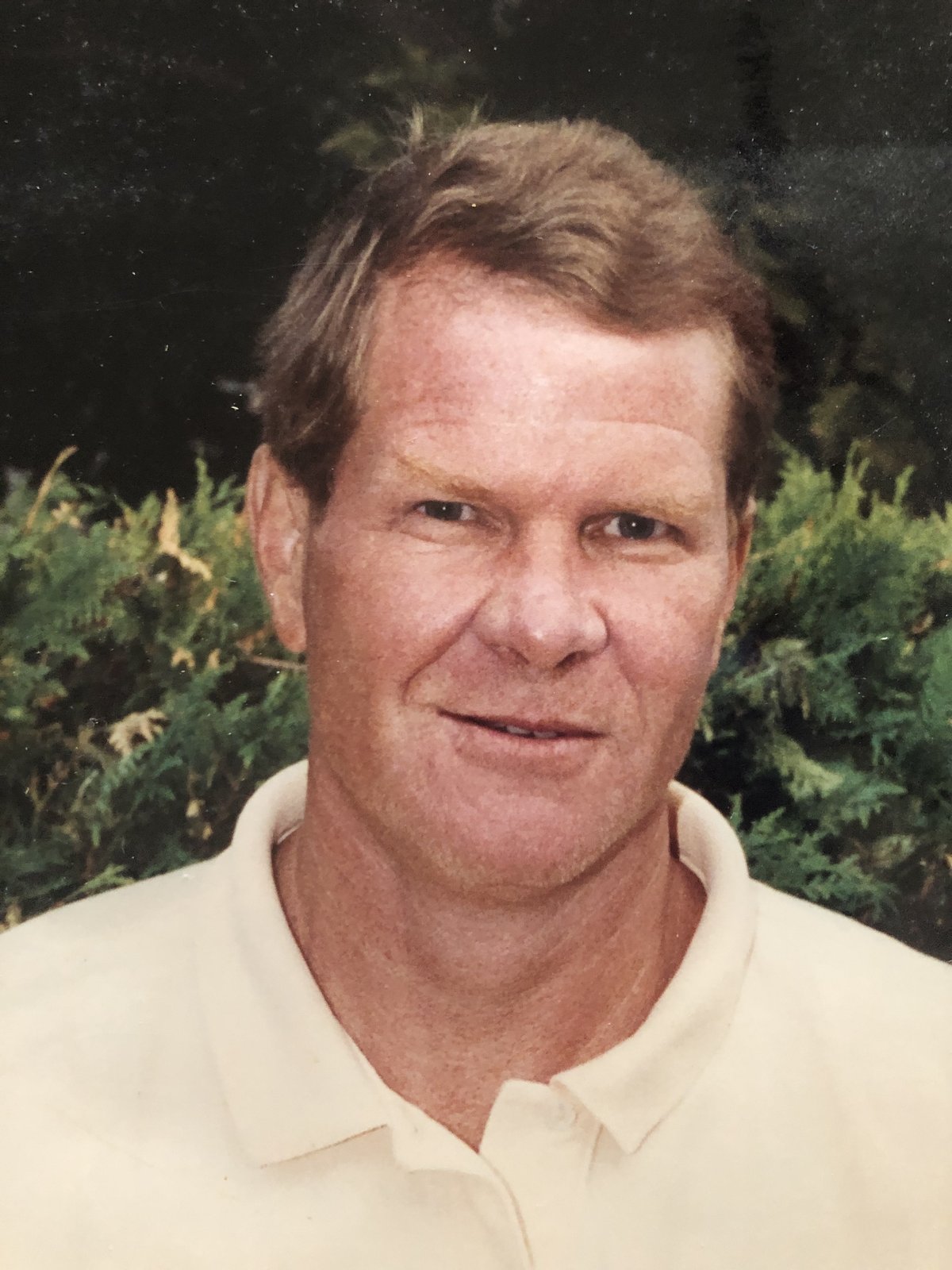
Bill's practice exists because he kept watching the same pattern repeat: smart organizations invest in AI, get early wins, and then watch the transformation stall β not because the technology failed, but because the human infrastructure wasn't there.
The Future-Fit Company System is his answer: a methodology that treats the human side and the AI side as inseparable β because the organizations that will win aren't the ones that move fastest, but the ones that build teams capable of sustained, honest, meaningful performance.
β bill.dunnington@gmail.comA 30-minute conversation is enough to identify the specific failure mode costing your team the most β and whether this system is the right fix. No pitch. No pressure.